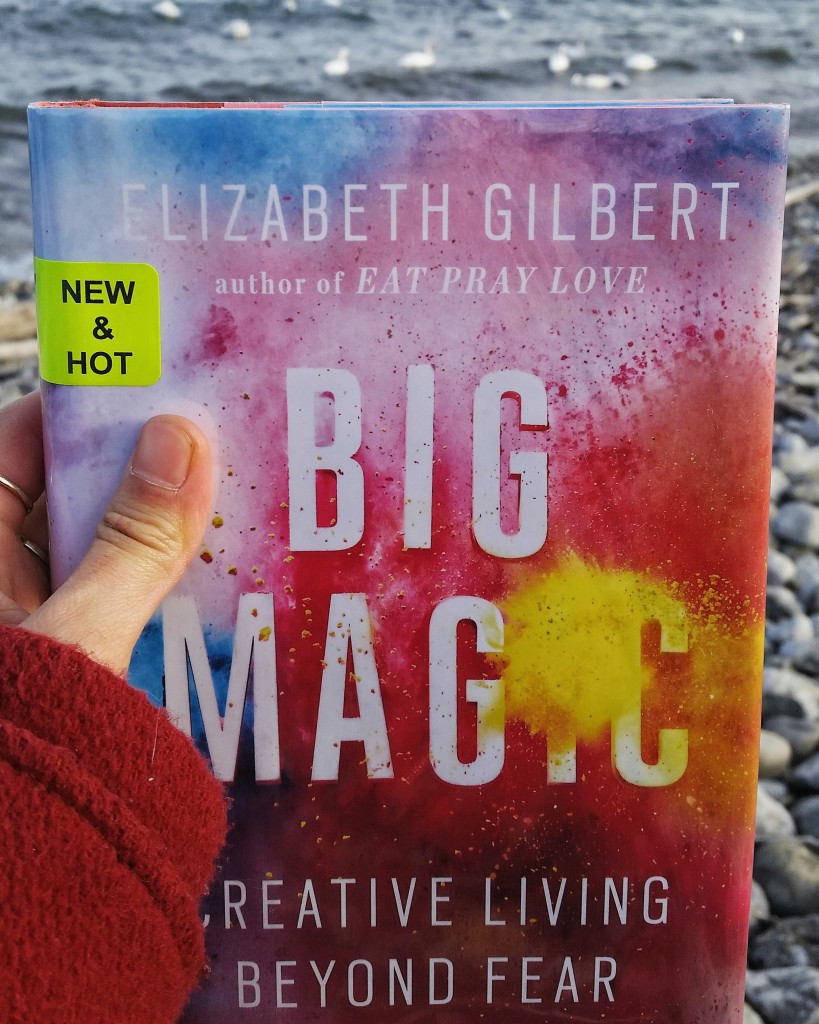
1) Big Magic by Elizabeth Gilbert
Rating: 6.5/10
The first book I read in March was Elizabeth Gilbert’s Big Magic: Creative Living Beyond Fear. Which was, you know, okay. She had some really great things to say, but they were surrounded by what felt a bit like repetitive filler to me. If you’re curious, I wrote a more in-depth review, which you can read here.
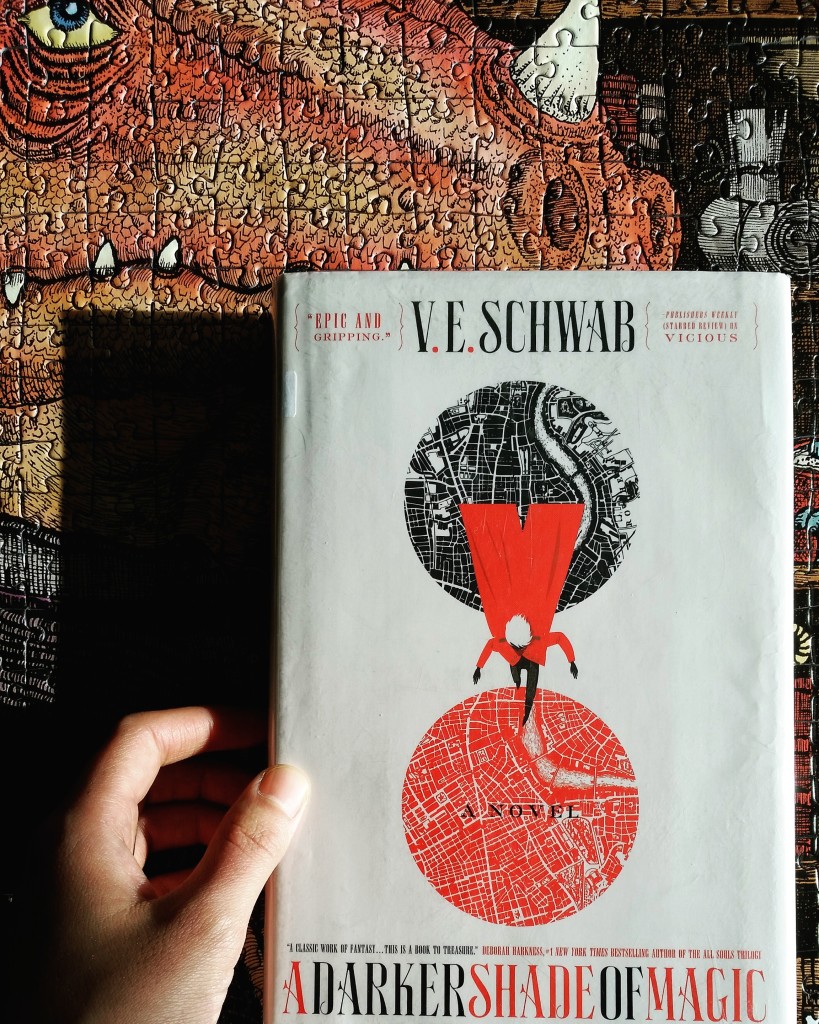
2) A Darker Shade of Magic by V.E. Schwab
Rating: 8.5/10
I really dug A Darker Shade of Magic. I would definitely recommend it to any fans of urban fantasy, and more specifically, fans of Libba Bray or Holly Black. It was unputdownable, dark, and possibly one of my new favourites. I’ll have to see if I continue to feel so enamoured when I read its sequel, A Gathering of Shadows. Full-length review is here.
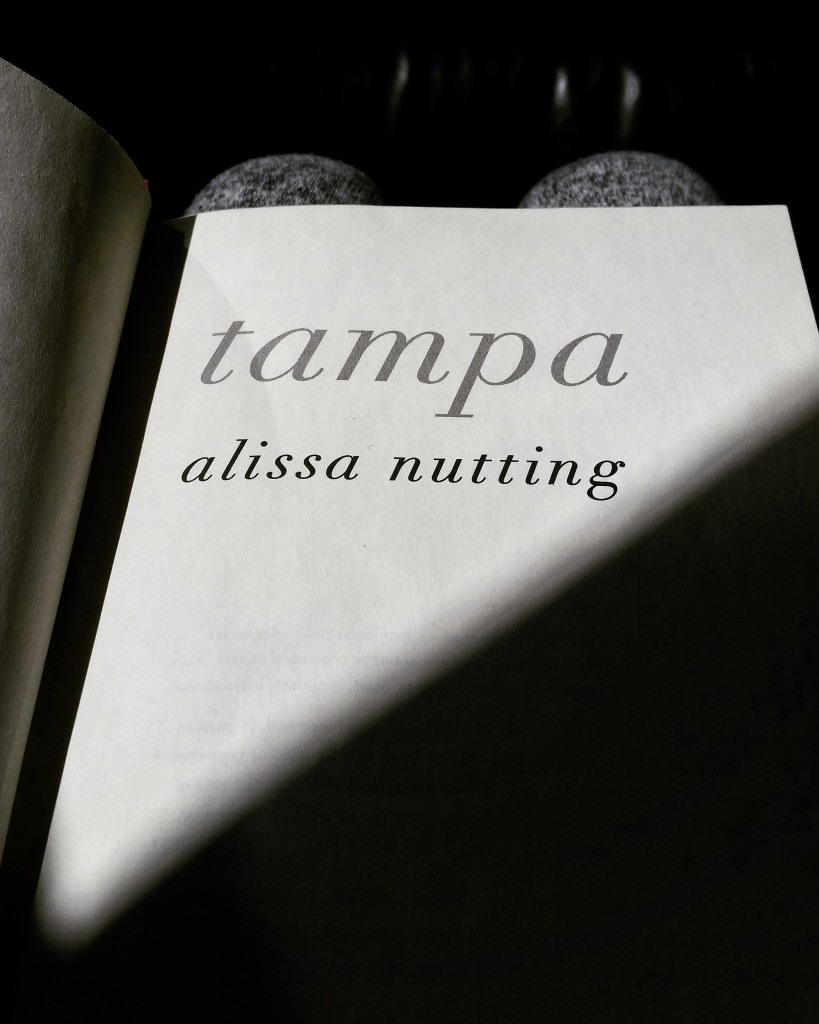
Rating: 8/10
I loved Alissa Nutting’s Tampa, though a comfortable or enjoyable read it was not. If you want to find out a little bit more about it before you decide whether or not to check it out, you can find my review of it right over here.
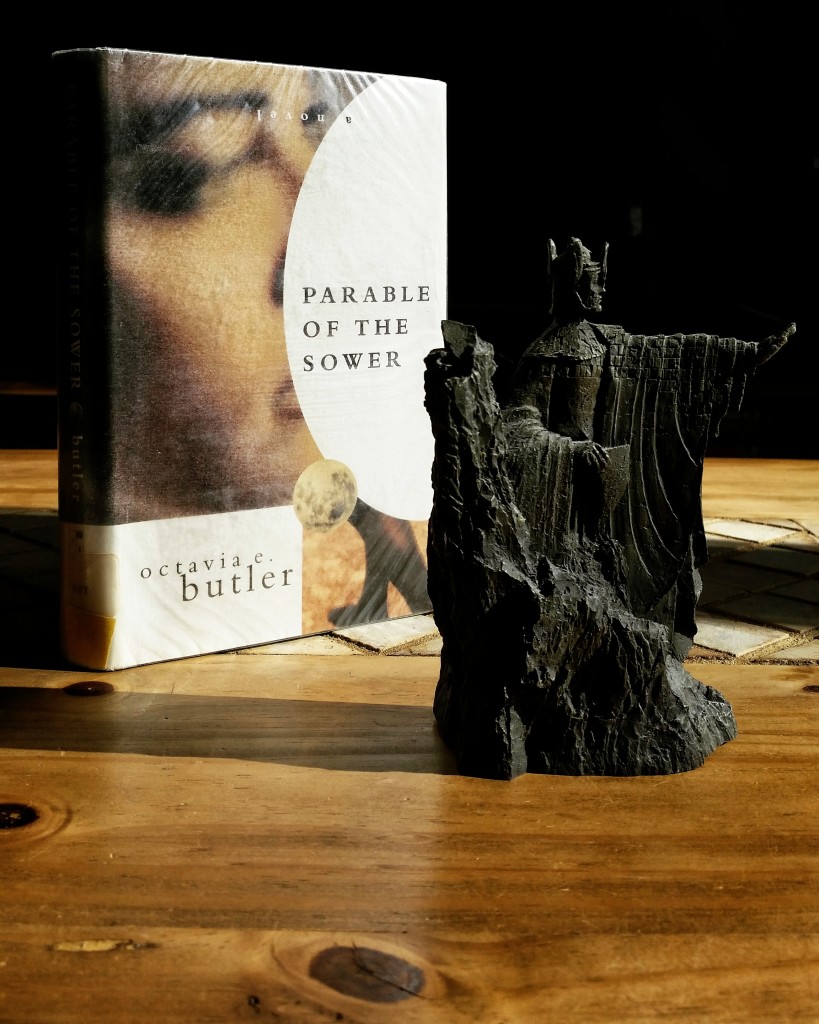
4) Parable of the Sower by Octavia E. Butler
Rating: 8.5/10
I think it’s safe to say that Octavia E. Butler’s Parable of the Sower might be one of the best dystopian novels I’ve ever read.
I’m usually a hesitant reader around current dystopian fiction. There was an evident trend in young adult literature in the last little while that sparked series like “The Hunger Games”, “Divergent”, and “The Maze Runner”, just to name a few. And while they were fine, they felt empty and shallow to me.
Parable of the Sower was most definitely neither of those things. The world that Octavia Butler created was rich, and believable, and terrifying. And I know that it isn’t particularly current. But, in my opinion, it’s on a totally different level from any of the more recent dystopian fiction that has dominated the market in recent years. So if you’re a fan of dystopian fiction, the future of the humanity, and the state of society, then I defs recommend it.
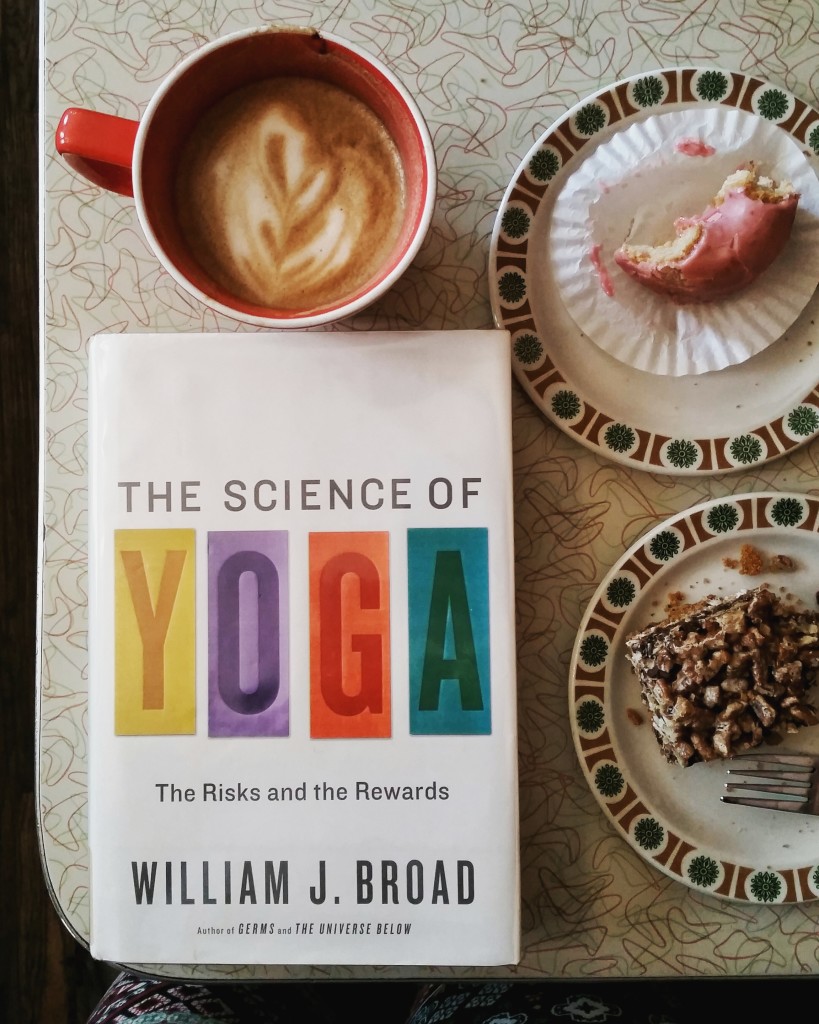
5) The Science of Yoga: The Risks and the Rewards by William J. Broad
Rating: 7/10
Yoga has been an important part of my life for a lot of years now. I’ve been practicing since college, so it has probably been close to six years since I started practicing, and a year or so since I taught my first class. So naturally, I was curious when I came across William J. Broad’s “The Science of Yoga: The Risks and the Rewards” while perusing my local bookstore. I want to keep learning about the things that make yoga awesome, as well as how to keep my students as safe as I can.
The Science of Yoga is broken down into sections, each of which demystifies and mythbusts the associated topic: Health, Fit Perfection, Moods, Risk of Injury, Healing, Divine Sex, and Muse.
It was an interesting, and informative read, though not special. Having read some really phenomenal non-fiction over the last year, I found The Science of Yoga enjoyable, but not particularly mind-blowing. Would recommend this one to other yoga practitioners and teachers, as anybody who is a little yoga-curious.
Rating: 6/10
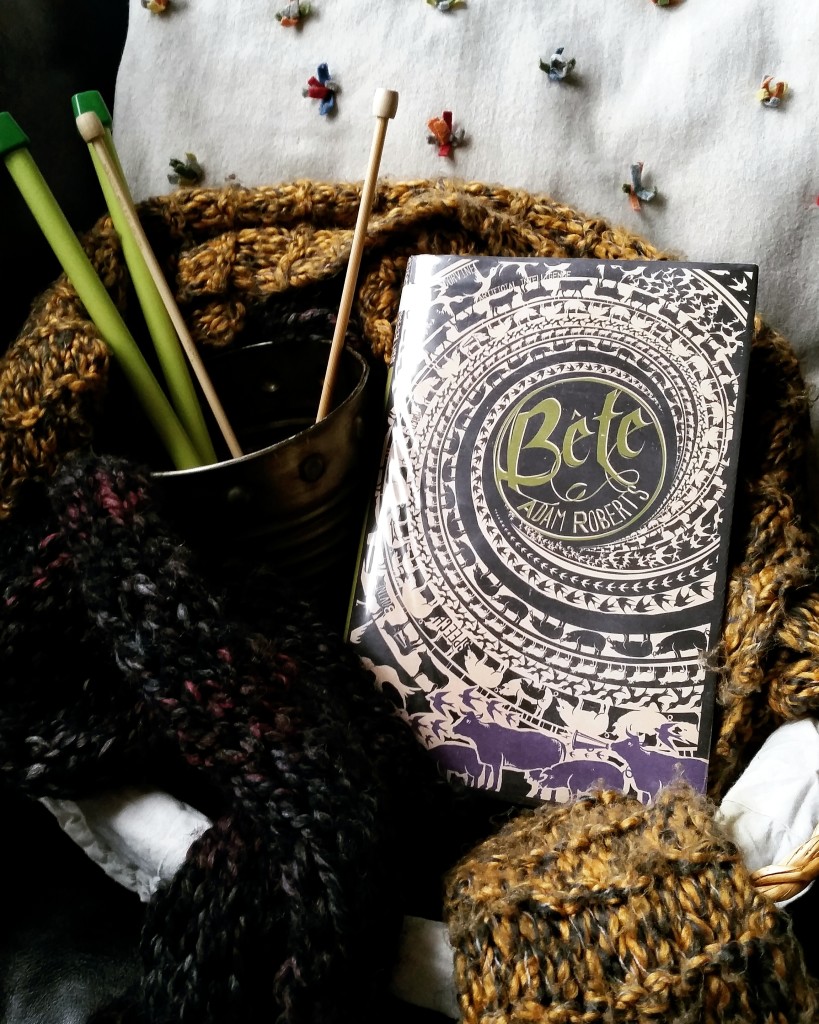
As you can probably tell, I didn’t care too much for Bête. I was reeled in by its spectacular cover and its compelling premise, but beyond that, it didn’t deliver. By the midway point, it began to drag and felt like quite a chore to finish. So I can’t say that I would recommend it to anyone. But I did manage to bust out a review for it, so if you want to hear (read?) me complain about it more, it’ll be here.

Be First to Comment